
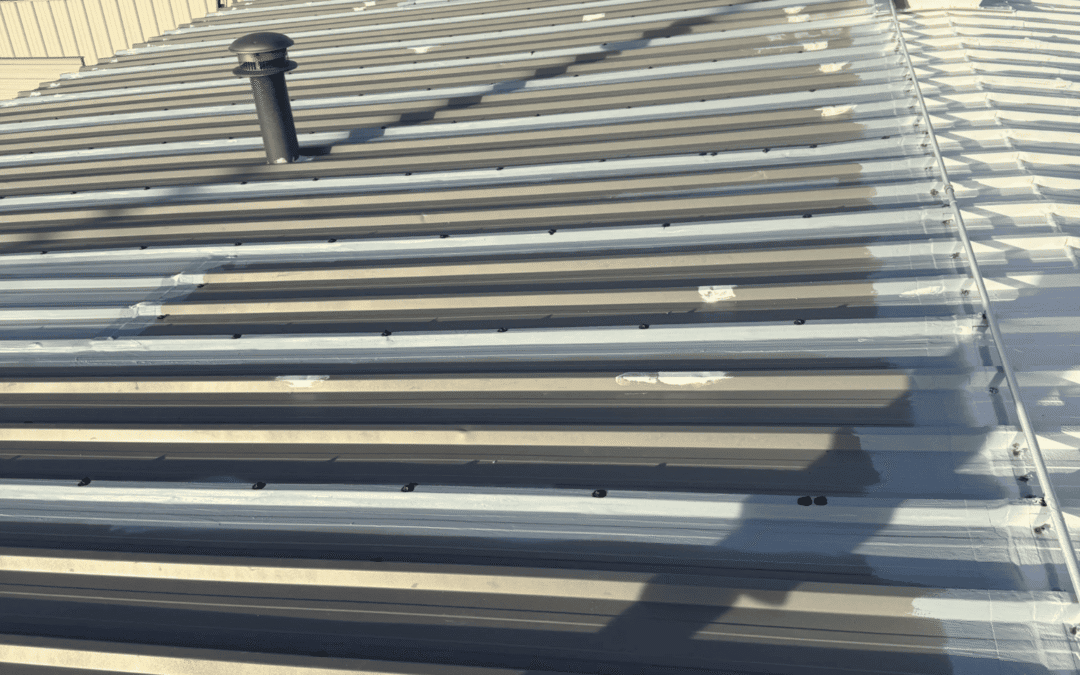
What if the hottest part of your building could stop acting like a giant heat sponge? In summer, your roof takes the strongest sunlight. When that surface absorbs heat, warmth moves through the roof, heats the deck, enters below, and makes cooling equipment work harder.
Reflective roof coatings change that pattern. Instead of letting the roof soak up sun, the coating sends sunlight away from the surface. The roof stays cooler, the building gains less heat, and your indoor space feels easier.
Table Of Contents
- Why Summer Heat Starts On The Roof
- How Reflective Roof Coatings Change Heat Flow
- Why Less Roof Heat Can Mean Less Indoor Strain
- What You Should Check Before Coating A Roof
- How To Keep A Reflective Roof Working Longer
- Conclusion
- FAQs
This is not about making a roof look clean. It is about controlling heat where it starts. At American Dream Roofing, we see reflective coatings as practical roof care for commercial roofs with a sound base and summer performance to gain.
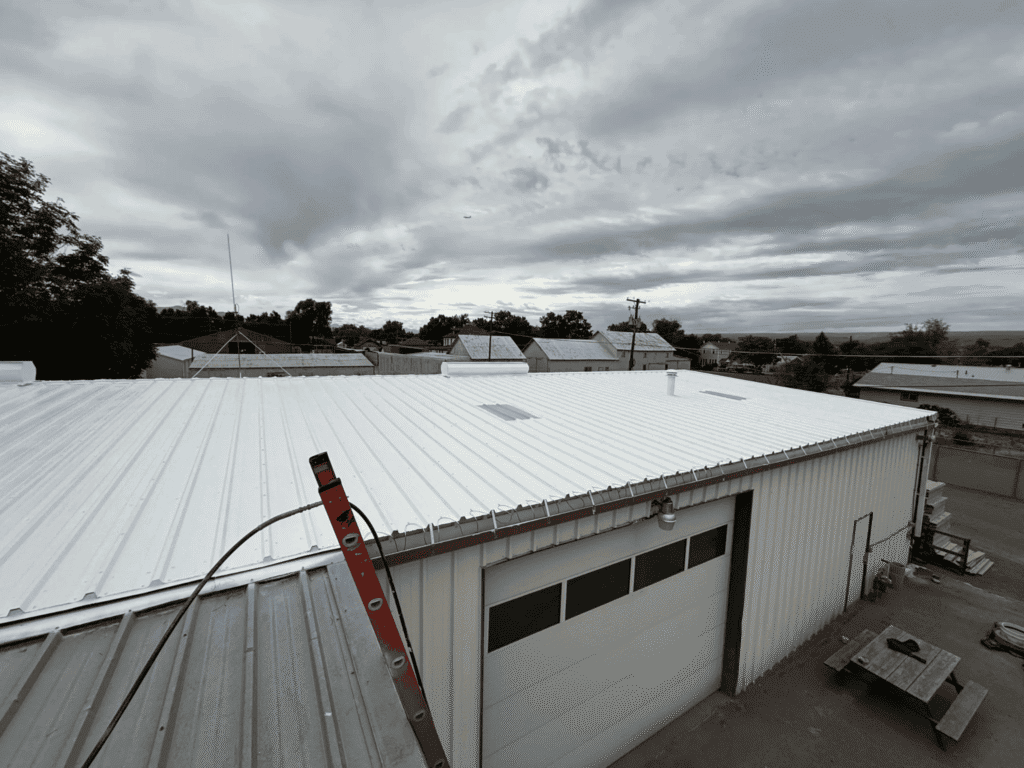
Why Summer Heat Starts On The Roof
Your roof is the largest sun-facing surface on many buildings, so it often becomes the first place heat collects. If it is dark, worn, dirty, or poorly protected, it can hold heat after sunset.
Heat Moves Down Before You Notice It
Heat does not need an open hole to enter your building. It moves through materials by conduction, which means warmth passes from the hot roof surface into layers below. On flat and low-slope commercial roofs, that heat can spread before anyone notices.
By the time rooms feel stuffy, the roof may have been feeding heat inside for hours. You are helping slow the heat before it reaches your occupied space or work zones.
Dark And Aging Roofs Hold More Heat
Darker roofing materials absorb more sunlight. Aging surfaces can also lose reflectivity as dirt, chalking, old repairs, and weathered material collect on the roof. Two roofs of the same size can behave very differently under the same sun.
A reflective coating gives the roof a more sun-resistant surface. Instead of accepting heat gain, the roof has a better chance to stay closer to the air temperature.
How Reflective Roof Coatings Change Heat Flow
Reflective roof coatings lower heat load by reducing how much solar energy becomes trapped roof heat. They work best when the coating fits the roof type, covers a prepared surface, and stays clean enough.
Reflection Sends Sunlight Back Up
The main job of a reflective coating is simple. It reflects sunlight before the roof can absorb it. When sunlight bounces away, less heat enters the roof assembly.
This is the heart of cool roofing technology. The coating changes how the roof handles sunlight. A regular hot roof keeps taking in energy. A reflective roof rejects more of that energy at the surface, which helps reduce heat transfer into the building.
You should not think of the coating as a thin layer of paint. A properly installed roof coating becomes part of the roof system. It can seal surface weaknesses, protect against UV wear, and help it stay cooler.
Heat Release Also Matters
Reflection handles incoming sunlight, but heat release matters too. Some coatings are made to let absorbed heat leave the surface more easily. This helps the roof cool down instead of holding warmth late into the day.
That can mean less stored heat pressing into the building later. It can also help reduce repeated heating and cooling that stresses seams, fasteners, flashings, and older roof materials.
Why Less Roof Heat Can Mean Less Indoor Strain
A cooler roof can help reduce the amount of heat your cooling system has to remove. It does not replace insulation, ventilation, or HVAC care, but it can lower the heat burden placed on the building envelope.
Your Cooling System Gets A Fairer Fight
Air conditioning works by removing heat from inside your building. When the roof keeps sending heat downward, the system fights indoor heat and roof-driven heat gain. On very hot days, that load can lead to longer run times and higher wear.
Reflective coatings help by reducing one major source of heat. It is a more sensible balance. If less heat enters through the roof, your cooling system has less heat to chase.
Comfort Can Improve In Practical Ways
Heat load is not only about utility bills. It affects how your building feels. Offices under a hot roof can feel warmer than lower areas. Warehouses can trap heat near the ceiling. Retail spaces can develop warm zones under broad roof spans.
When the roof surface stays cooler, those hot spots may become easier to control. Your staff, customers, tenants, or visitors may notice that the building feels less heavy during the hottest part of the day.
What You Should Check Before Coating A Roof
A reflective coating works best on a roof that is still a good candidate for restoration. You should not coat over hidden moisture, rotten decking, loose seams, rust, or drainage problems and expect it to solve everything.
The Existing Roof Must Be Ready
Before coating, the roof needs a careful inspection. We look for leaks, weak areas, open seams, damaged flashing, punctures, ponding water, loose material, and signs that the roof has reached the end of its service life.
A coating is not a shortcut around roof repair. It performs best after preparation. If the roof needs repairs first, skipping them can shorten coating life and leave the same problems under a brighter surface.
Roof Type Affects The Coating Choice
Different roofs need different coating systems. A metal roof may need rust treatment, fastener work, seam reinforcement, and a coating that handles expansion. A single-ply roof may need primers. A foam roof may need UV and damage protection.
Before you approve any roof coating, you should confirm these points.
- The roof is structurally sound
- Leaks and seams are repaired first
- The coating matches the roof material
- Drainage problems are corrected where possible
This is where trained roof restoration experts earn their keep. The right coating on the wrong roof, or the right coating over poor prep work, can waste money and create frustration.
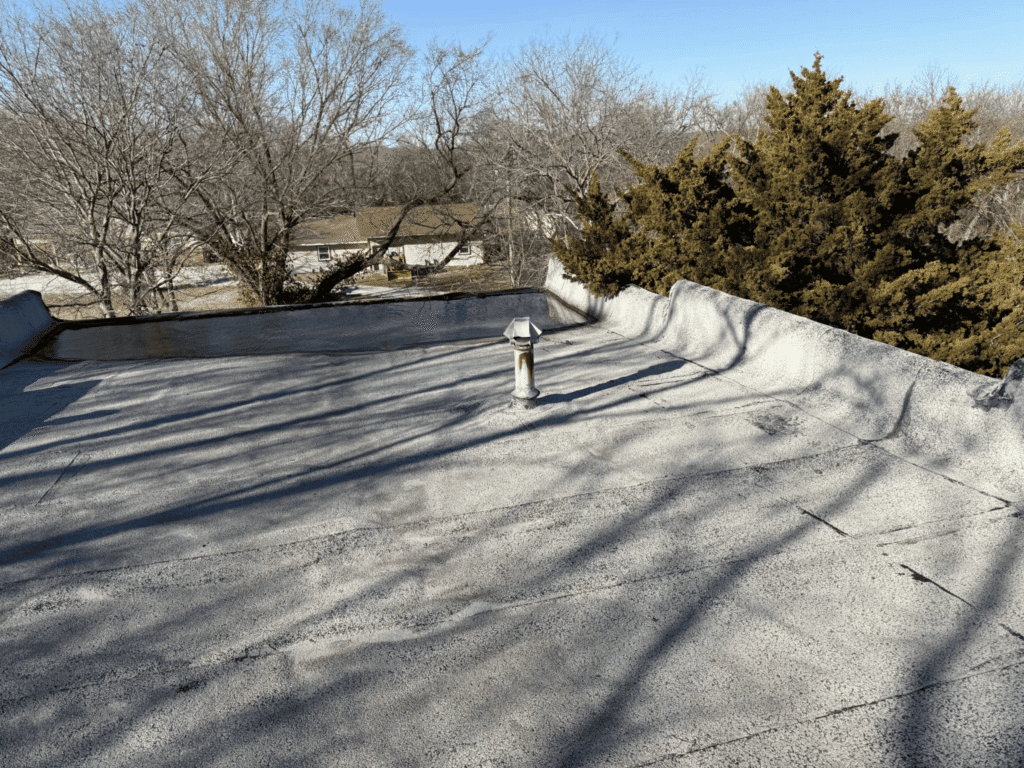
How To Keep A Reflective Roof Working Longer
Reflective roof coatings are not a set-and-forget fix. They need simple maintenance so the surface can keep reflecting sunlight and protecting the roof below.
Dirt And Ponding Water Reduce Performance
A bright coating can lose some reflective power when dust, leaves, grease, foot traffic, or standing water collect on the surface. This does not mean the coating has failed. It means your roof still needs routine care.
You should schedule roof checks after major storms and before peak summer heat. Look for clogged drains, debris piles, damaged coating, open seams, and areas where water sits too long.
Maintenance Helps Protect Your Investment
Good maintenance is usually basic. Keep drains clear, remove debris, limit rooftop traffic, and address cuts early. If your building has rooftop units, make sure service crews use walk pads and avoid dragging tools across the coating.
A reflective roof is part of your building’s working system. When you protect it, it can keep working through heat, wind, rain, and exposure. For clients who want lower summer heat load without rushing into replacement, maintenance and restoration make strong financial sense.
Conclusion
Reflective roof coatings lower summer heat load by changing how your roof handles sunlight. Instead of absorbing and storing heat, the roof reflects more sunlight away and releases heat. That cooler surface can reduce heat transfer, ease cooling strain, improve comfort, and help protect the roof from summer conditions.
The key is choosing the right system for your roof, preparing the surface correctly, and maintaining it after installation. If your roof is still structurally sound, a reflective coating may improve summer performance without replacing it.
Frequently Asked Questions
How do reflective roof coatings reduce summer heat load?
Reflective roof coatings reduce summer heat load by reflecting sunlight before it turns into roof surface heat. They also help limit heat transfer into the building, which can make indoor cooling easier during hot weather.
Can reflective roof coatings work on commercial metal roofs?
Yes, reflective roof coatings can work well on many commercial metal roofs when the surface is cleaned, repaired, and treated correctly first. Rust, loose fasteners, open seams, and old failed coatings should be handled before the new coating is applied.
Should you coat a roof that already leaks?
You should not use a reflective coating as the only answer for an active roof leak. The leak source should be found and repaired first, then the coating can help protect the restored roof surface.
How often should a reflective roof be inspected?
A reflective roof should be inspected at least once a year and after major storms. You should check drains, seams, flashing, rooftop equipment areas, debris buildup, and any spots where coating damage may have started.
Is reflective roof coating the same as roof replacement?
No, reflective roof coating is not the same as roof replacement. It is a restoration option for suitable roofs, while replacement removes and rebuilds larger parts of the roofing system when the roof is too damaged to restore.
Lower Summer Heat Load With A Smarter Roof Coating Solution
→ Reflect more sunlight and reduce heat absorbed by your roof
→ Help your building stay cooler during peak summer temperatures
→ Protect your roof surface while improving overall comfort
Connect with American Dream Roofing to explore reflective roof coating options for your building →
★★★★★ Rated 5/5 by 10+ Satisfied Customers