
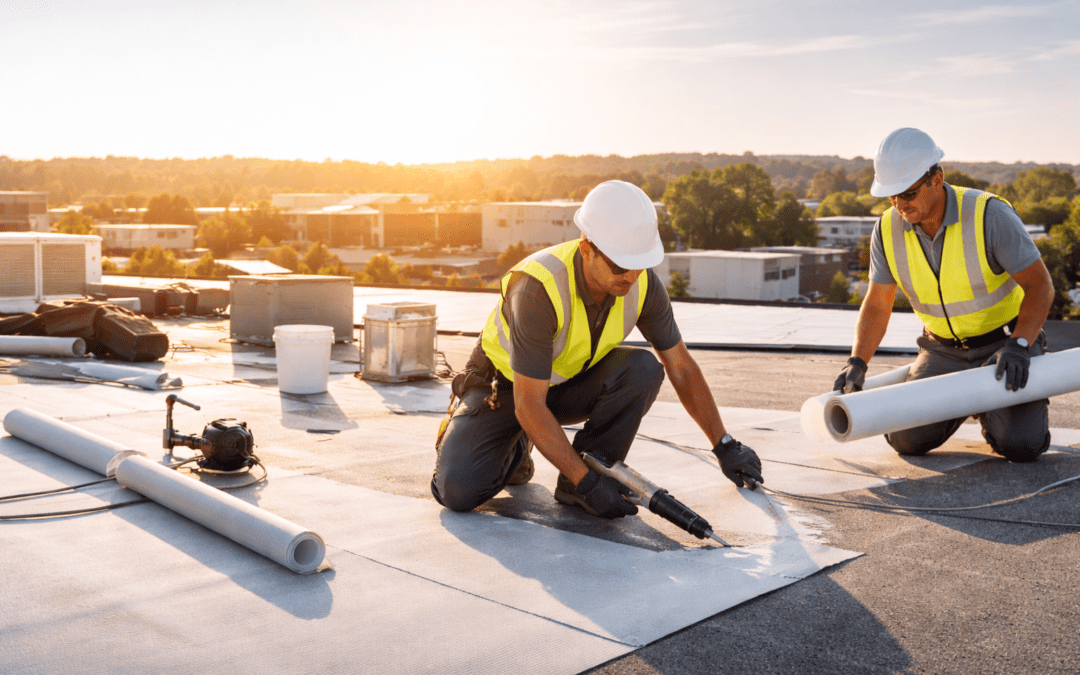
Commercial roof restoration can cost significantly less than a full tear-off, but the final investment depends on several factors specific to your building and existing roof system. Property owners across Western Colorado can often extend the useful life of an existing commercial roof through restoration while avoiding the cost and disruption of starting over with a new roof system.
At American Dream Roofing, we help property owners understand the factors that influence commercial roof restoration costs before work begins. This guide explains common pricing considerations, compares restoration with a full tear-off, and offers practical budgeting tips for commercial property owners in Western Colorado.

In This Post
- Factors That Affect Commercial Roof Restoration Costs
- What Determines Your Final Restoration Cost
- Restoration Versus Full Tear-Off
- Budgeting Tips for Western Colorado Property Owners
- Getting an Accurate Quote for Your Building
Factors That Affect Commercial Roof Restoration Costs
The size of your roof is one of the first factors contractors consider when determining the scope of a restoration project. However, square footage is only one part of the equation. The condition of the existing roof, accessibility, roofing system, required repairs, and selected coating system can all affect the final cost.
Every commercial roof is different, which is why a general online estimate cannot account for all the conditions that may be present on your building.
Current Roof Condition
The condition of the existing roof matters significantly. A roof with limited damage, manageable leaks, and adequate drainage may require less preparation than one with extensive deterioration.
Separated seams, damaged flashing, corrosion, membrane damage, and areas of ponding water may all require attention before a restoration system can be applied. The more preparation and repair required, the greater the overall project cost may be.
A professional inspection can help determine whether restoration is appropriate for the existing roof or whether more extensive work may be necessary.
Roof Accessibility
Accessibility can also affect labor and equipment requirements. A single-story building with convenient staging and parking access may be easier to work on than a multi-story structure with limited access.
Commercial buildings in downtown Grand Junction or Montrose can sometimes present tighter working conditions than properties with larger open areas for equipment and materials.
Rooftop Penetrations and Equipment
The number of penetrations and rooftop features can also affect the scope of the project. HVAC units, vents, pipes, skylights, and other equipment require careful detailing during the restoration process.
For example, a warehouse with limited rooftop equipment may require less detail work than a restaurant with multiple exhaust fans and other rooftop penetrations.
Coating Type and Thickness
The coating system and application thickness can influence the overall project cost. Different coating systems have different performance characteristics, application requirements, and warranty options.
Property owners in the High Rockies area may also need to consider elevation and weather exposure when selecting a restoration system.
The right coating system depends on the existing roofing material, current roof condition, building requirements, and expected performance.
What Determines Your Final Restoration Cost?
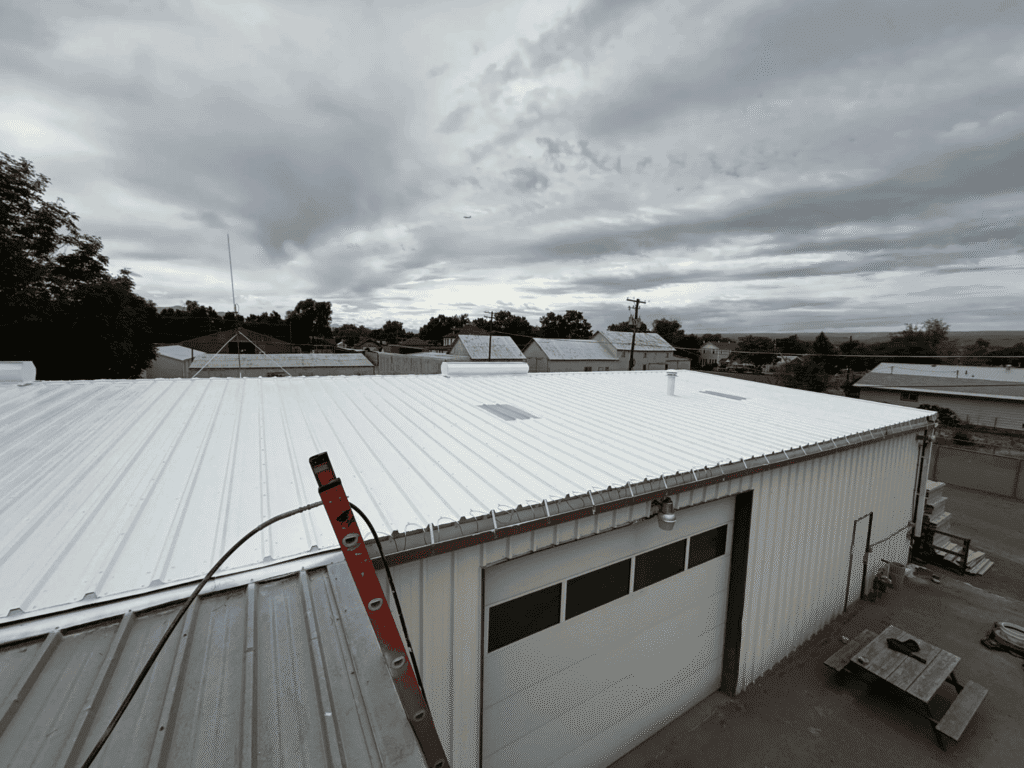
Commercial roof restoration involves more than simply applying a coating over the existing roof. Proper preparation is an important part of the process and can have a significant effect on the overall project.
Before restoration begins, the contractor may need to clean the roof, repair damaged areas, address seams and penetrations, treat corrosion, and prepare the existing surface for the restoration system.
The roofing material itself also matters. Metal roofs, TPO, EPDM, modified bitumen, and other commercial roofing systems can require different preparation methods and restoration approaches.
Labor and equipment requirements can vary as well. Roof height, accessibility, building layout, staging requirements, and the amount of detail work involved can all affect the scope of the project.
Warranty requirements are another consideration. Different restoration systems may have different warranty terms, application requirements, and maintenance expectations. Property owners should review these details carefully when comparing proposals.
Restoration Versus Full Tear-Off
The potential financial difference between commercial roof restoration and a full tear-off is one of the main reasons property owners consider restoration.
When an existing roof is a suitable candidate for restoration, the process can help extend its service life without completely removing the existing roofing system. This can reduce the amount of demolition and disposal involved compared with a full tear-off.
Restoration may also reduce disruption to the building and its occupants. Because the existing roof can remain in place when conditions are appropriate, businesses may be able to continue normal operations with less interruption than a project involving complete roof removal.
For property owners in the Grand Valley, minimizing disruption can be especially important for retail stores, offices, restaurants, warehouses, and other businesses that need to remain operational during the project.
A properly installed restoration system can also extend the useful life of an existing roof. Warranty terms vary by system, product, application, and project requirements, so property owners should review the specific warranty offered with their restoration proposal.
However, restoration is not appropriate for every roof. If the existing roof has extensive structural damage, severe deterioration, or other conditions that prevent successful restoration, starting over with a new roof system may be the more appropriate option.
That is why a professional inspection is important before deciding between restoration and a full tear-off.
Budgeting Tips for Western Colorado Property Owners
Planning can make commercial roof restoration easier to manage financially.
Start with a professional roof inspection before problems become urgent. An inspection can help identify the current condition of the roof and determine whether restoration is a viable option or whether more extensive roofing work may be necessary.
Timing can also affect scheduling. Western Colorado weather conditions can influence when certain roofing and coating work can be performed. Coating systems require appropriate application and curing conditions, so planning can help property owners avoid scheduling problems during unfavorable weather.
Energy efficiency should also be considered when evaluating the overall value of a restoration project. Reflective or cool roof coatings can reduce heat absorption and may help lower cooling demands during hot weather.
For buildings in the Uncompahgre Valley or I-70 Corridor with significant cooling loads, energy performance can be one factor to consider when comparing restoration options.
Ask about available warranty options as well. Different systems may offer different warranty periods and requirements. Understanding what is included, what maintenance is required, and how long the coverage lasts can help you compare proposals more accurately.
Finally, include ongoing maintenance in your budget. Regular inspections and timely repairs can help protect the restored roof and identify small problems before they become more expensive issues.
Getting an Accurate Quote for Your Building
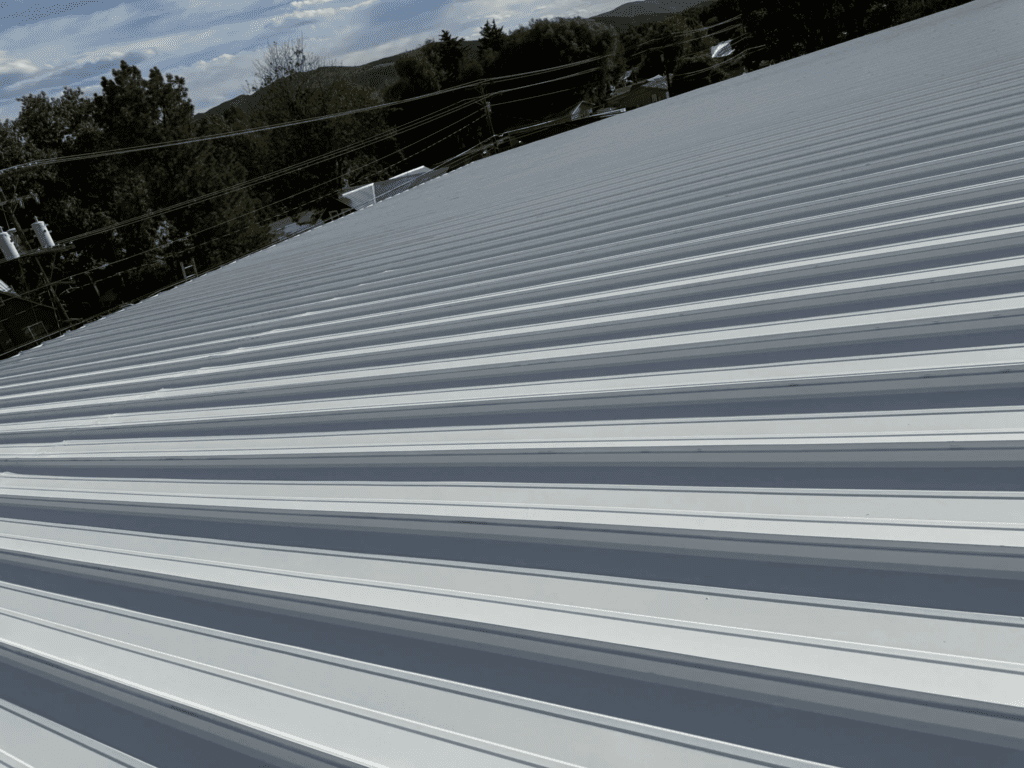
Online calculators and general pricing ranges can provide a starting point, but they cannot account for every condition on an individual commercial roof. An on-site inspection is the best way to determine what your building actually needs before a contractor provides a detailed proposal.
When requesting quotes, provide as much information as possible. Useful details include:
- Approximate roof square footage
- Existing roof type
- Age of the roof
- Known leaks or problem areas
- Previous inspection reports
- Previous repair records
- Known drainage or ponding issues
Ask contractors to explain their proposals clearly. A detailed estimate should identify the major components of the project, including surface preparation, repairs, materials, labor, and warranty coverage.
This makes it easier to compare proposals based on the actual scope of work rather than simply comparing the final price.
Be cautious when comparing estimates that differ significantly. A lower quote may reflect differences in preparation, materials, coating thickness, repairs, or warranty coverage. Make sure you understand what is included in each proposal before choosing a contractor.
At American Dream Roofing, we personally supervise commercial roof restoration projects across Western Colorado. We take the time to explain your options, answer your questions, and provide a detailed assessment based on your roof’s condition.
If you are ready to learn more, visit our commercial roof restoration services to see how restoration may fit your building and roofing system.
Ready to find out what commercial roof restoration could involve for your building? Contact American Dream Roofing for a thorough inspection and assessment. We serve property owners throughout the Montrose area and across Western Colorado.
You can also visit us and learn more about American Dream Roofing and our local commercial roofing services.
About Neil Clugston
Neil Clugston owns American Dream Roofing and is involved in commercial roofing projects across Western Colorado. He works directly with the team to help property owners understand their restoration options and make informed decisions about protecting their commercial buildings.