
Last fall, a property manager in Grand Junction called us about a small water stain on a ceiling tile. She almost ignored it because it was barely the size of a dinner plate. When we inspected the roof, we found that moisture had been traveling through the insulation for months. What started as a minor membrane issue had spread across a 400-square-foot section. That single ceiling stain led to a much larger project than necessary. The lesson stuck with me: timing matters more than most building owners realize when it comes to commercial roof repair.
Across Western Colorado, commercial buildings face unique stresses. High-altitude UV exposure, dramatic temperature swings, hail, heavy snow loads, and dry conditions all take a toll on roofing systems. Knowing when to act and when waiting is reasonable can help control costs and prevent disruptions to tenants or business operations.
Visible Warning Signs That Demand Attention
Some roof problems announce themselves clearly. The challenge is recognizing them before they become emergencies. If you notice any of these issues during a routine walk-around or interior inspection, schedule a professional evaluation promptly.
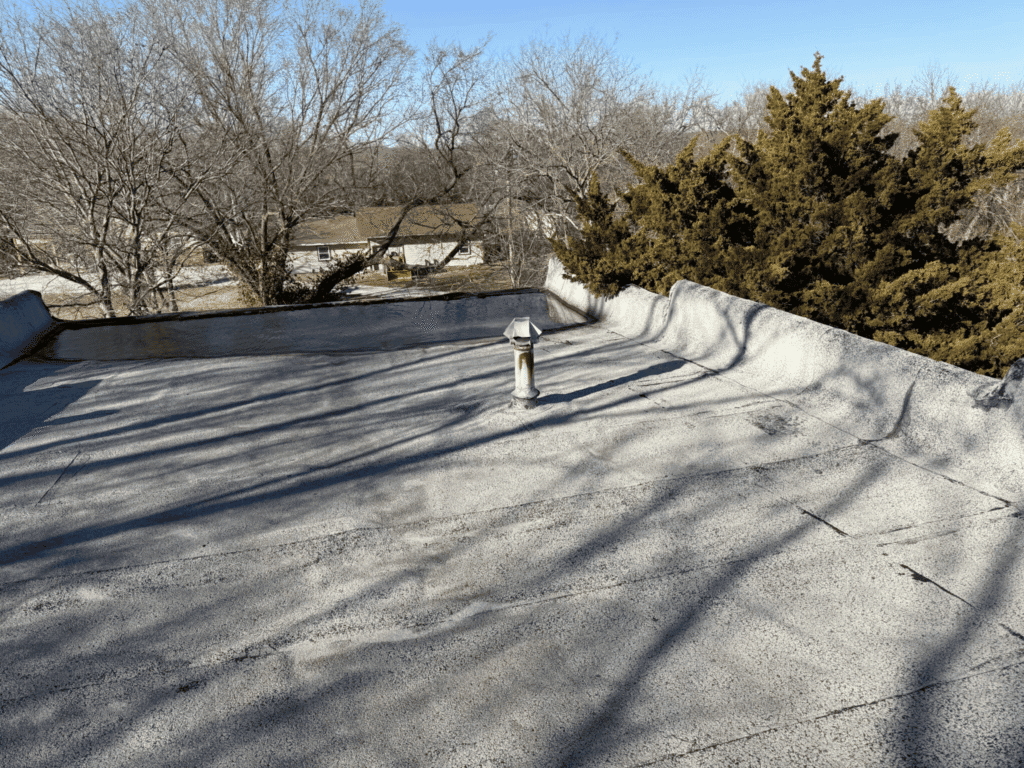
Ponding water is one of the most common concerns we see on flat and low-slope commercial roofs throughout the Grand Valley. If water remains on your roof more than 48 hours after rain or snowmelt, your drainage system may not be functioning properly. Standing water can accelerate membrane deterioration, add structural weight, and increase the risk of leaks. Persistent ponding deserves professional attention rather than continued monitoring alone.
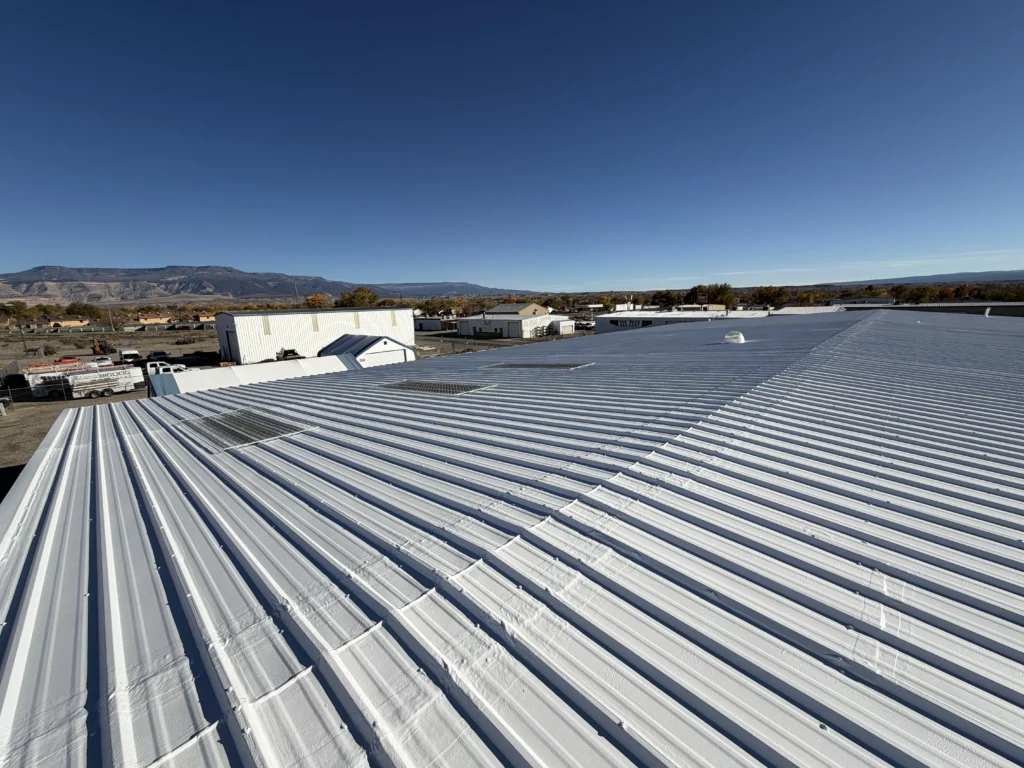
Visible membrane damage, including cracks, splits, blisters, or areas where the material has pulled away from flashings, requires prompt attention. On metal roofs, look for rust spots, loose or missing fasteners, and open seams. These issues may seem minor from ground level, but they can allow moisture to reach insulation and structural components.
Interior water stains, even small ones, indicate that water has already penetrated the roofing system. By the time you see a stain on a ceiling tile or drywall, moisture may have traveled some distance from the actual point of entry. Do not assume a small stain means a small problem.
Flashing failures around HVAC units, vents, skylights, and parapet walls are also common. Flashings seal transitions and penetrations, but thermal movement and UV exposure can cause these areas to deteriorate over time. Have them checked after significant weather events, particularly before winter conditions arrive.
Hidden Damage Indicators You Might Miss
Not all roof damage is obvious. Some costly problems develop quietly over months or years. Understanding these hidden indicators can help you identify concerns before they become more extensive.
Unexplained increases in heating or cooling costs may point to compromised roof insulation. When moisture enters the roofing system, insulation can lose its effectiveness. If your energy bills have increased without a clear explanation, your roof may be contributing to the problem. Buildings in the High Rockies, where heating demands can be significant, may feel this impact especially during colder months.
Musty odors in upper-floor spaces or near exterior walls can indicate moisture accumulation. Persistent dampness can encourage mold and mildew growth, creating potential health concerns for building occupants in addition to structural issues.
Sagging or soft spots on the roof deck may indicate that structural components have absorbed moisture and begun to deteriorate. If you notice unusual deflection or suspect the deck is unstable, do not walk on the affected area. Contact a qualified professional to assess the condition safely.
Granule loss on modified bitumen roofs can leave underlying material exposed to UV radiation, accelerating deterioration. Check accessible gutters and downspouts for accumulated granules. Some loss can occur over time, but heavy accumulation may indicate accelerated wear that warrants inspection.
Seasonal Timing for Western Colorado Roofs
Western Colorado’s climate creates specific timing considerations for commercial roof repair. Planning around seasonal weather can help property owners address problems before conditions become more difficult.
Fall: Prepare for winter conditions. October is an important time to inspect commercial roofing systems before snow, freezing temperatures, and repeated freeze-thaw cycles arrive. Check drainage systems, seams, flashing, and areas with a history of leaks. Address active leaks and other urgent problems promptly. Some materials require specific temperature and weather conditions during application, so consult your roofing contractor about which repairs are practical before winter.
Winter: Respond to problems promptly. Winter repairs can be more challenging because cold temperatures affect material performance, while snow and ice can limit access and make inspections more difficult. Emergency work may still be necessary when leaks or other urgent issues arise. Safety should always come first, and repair methods must suit the prevailing conditions.
Spring: Check for winter damage. Snow loads, ice dams, and freeze-thaw cycles can stress roofing materials. Problems that developed during winter may become more noticeable as temperatures rise. Schedule a thorough inspection in spring to identify damage, assess drainage, and plan maintenance before summer weather arrives.
Summer: Take advantage of favorable conditions. Warm, dry weather often provides suitable conditions for many commercial roofing projects. Coatings and adhesives may require specific temperatures and moisture levels to cure properly, while longer days can provide more working time. If your roof needs attention, summer may offer a useful window for planned repairs. Property owners in the I-70 Corridor and other busy areas can also benefit from coordinating work around business operations and site access.
Regardless of the season, do not postpone urgent repairs simply because another time of year might be more convenient. A qualified contractor can assess the situation and recommend an appropriate course of action based on the roof’s condition and current weather.
When Waiting Makes Sense and When It Does Not

Not every roof issue requires emergency service. Responsible building management involves distinguishing between conditions that need immediate attention and those that can be monitored and addressed through planned maintenance.
You may be able to schedule routine work when surface wear is cosmetic and the membrane remains watertight, when water drains promptly without recurring ponding, or when minor granule loss has not exposed the underlying material. Early signs of weathering around otherwise intact flashing may also be suitable for planned maintenance. In these cases, document the condition, monitor it regularly, and arrange a professional assessment to determine an appropriate timeline.
However, do not delay when active leaks are present, regardless of their size. Continued water intrusion can cause cumulative damage to insulation, interior finishes, equipment, and other building components. Membrane splits or punctures, separated flashing, visible structural sagging, and ponding water that persists for days after precipitation also warrant prompt professional evaluation.
A useful rule of thumb is this: if water is entering the building, act promptly. If the protective surface is compromised but no active leak is present, arrange an assessment to determine how soon work is needed. If the wear is purely cosmetic and the system remains sound, monitor the condition and budget for future maintenance.
Property owners in the Uncompahgre Valley and surrounding areas often ask whether their commercial roof needs targeted repairs or a broader restoration project. The answer depends on the extent of damage, the age and condition of the existing system, and the building owner’s long-term plans. A professional assessment provides the information needed to make that decision.
Getting a Professional Assessment
Even experienced property managers cannot evaluate every aspect of a commercial roofing system from the ground or during a casual walk-around. Professional inspections can reveal conditions that are difficult to identify without specialized knowledge and provide documentation that may support warranty claims and insurance processes.
A thorough commercial roof inspection includes examining membrane surfaces, seams, and penetrations. It also covers flashing around walls, curbs, and equipment supports. Inspectors evaluate drainage components, including gutters, scuppers, and internal drains. They check the condition of coatings or surfacing materials and assess the visible condition of the roof deck and related structural components.
For buildings with known issues or aging roofing systems, infrared scanning can help identify areas of trapped moisture that are not visible on the surface. This technology can help contractors target further investigation and plan repairs more accurately.
At American Dream Roofing, we approach every inspection with the goal of giving property owners accurate information so they can make informed decisions about their buildings. We believe in explaining what we find, outlining practical options, and recommending work based on the roof’s actual condition. Our reputation across Western Colorado depends on being straightforward with property owners about what their roofing systems need.
We recommend professional inspections at least twice a year, ideally in spring and fall, along with assessments after significant weather events such as hail, high winds, or heavy snow. Buildings with older roofing systems or known problem areas may benefit from more frequent monitoring.
The right time for commercial roof repair is before small problems become larger ones. With winter approaching, October is a practical time to check for damage, confirm that drainage systems are functioning properly, and address urgent concerns before snow and freezing temperatures make access more difficult.
If you have noticed any of the warning signs discussed here, or if it has been more than six months since your last professional inspection, reach out to American Dream Roofing. We serve commercial property owners throughout Western Colorado, from Montrose to the Grand Valley and surrounding communities.
Learn more about our commercial roofing services to understand how we can help protect your building and plan the next steps.
Contact American Dream Roofing today to schedule an inspection. You can also find us on Google Maps.
About Neil Clugston
Neil Clugston is part of the team at American Dream Roofing, a family-owned commercial roofing company serving Western Colorado. The company focuses on commercial roof restoration, maintenance, inspections, and repair services, with an emphasis on quality workmanship and practical guidance for building owners.