
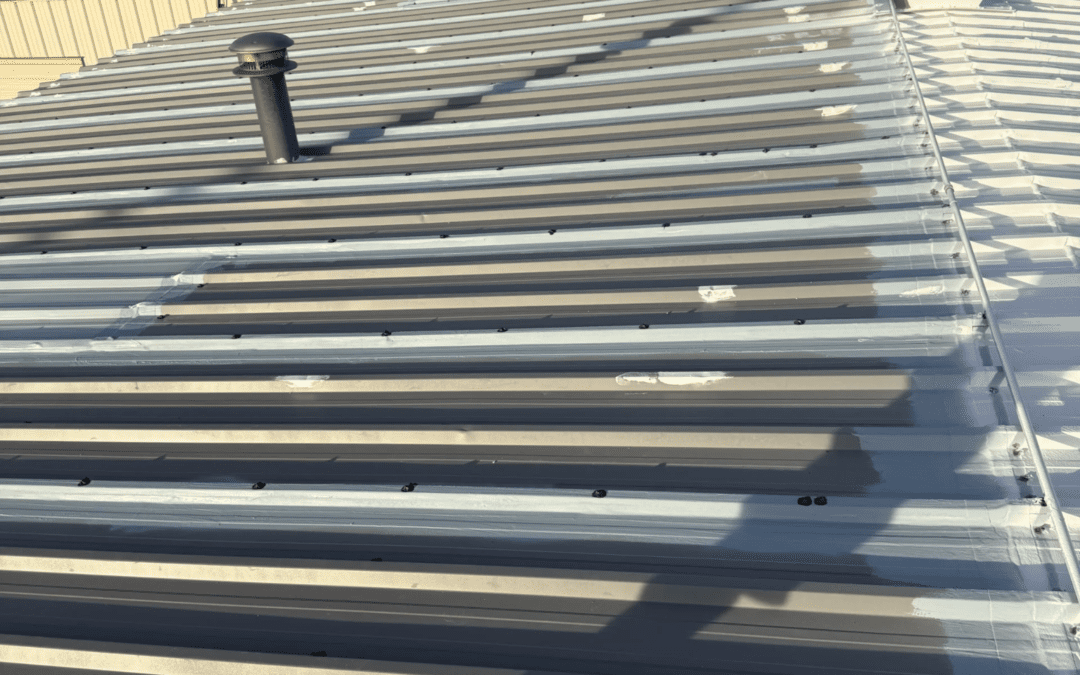
What allows a low slope roof to stay strong through heavy rain, long summers, and constant structural pressure without breaking down early
Low slope roofing is a major part of modern commercial construction, especially in large buildings where design efficiency and usable space matter. These roof types behave differently from steep roofs because water movement is slower and surface exposure is more direct. Because of this, the decisions we make during planning and installation have a long lasting impact on performance.
Table Of Contents
- Understanding Low Slope Roofing Needs
- Most Reliable Roofing Systems For Low Slope Buildings
- Installation Considerations That Matter
- Maintenance Practices That Extend Roof Life
- Cost Factors And Long Term Value
- Choosing The Right Roofing Partner
- FAQs
We work with property owners who often want clarity on what systems actually perform well instead of general advice. Our experience shows that success comes from matching the right material with the right building conditions. In this guide, we share what we consistently see in real commercial roofing projects so you can approach your decision with confidence.
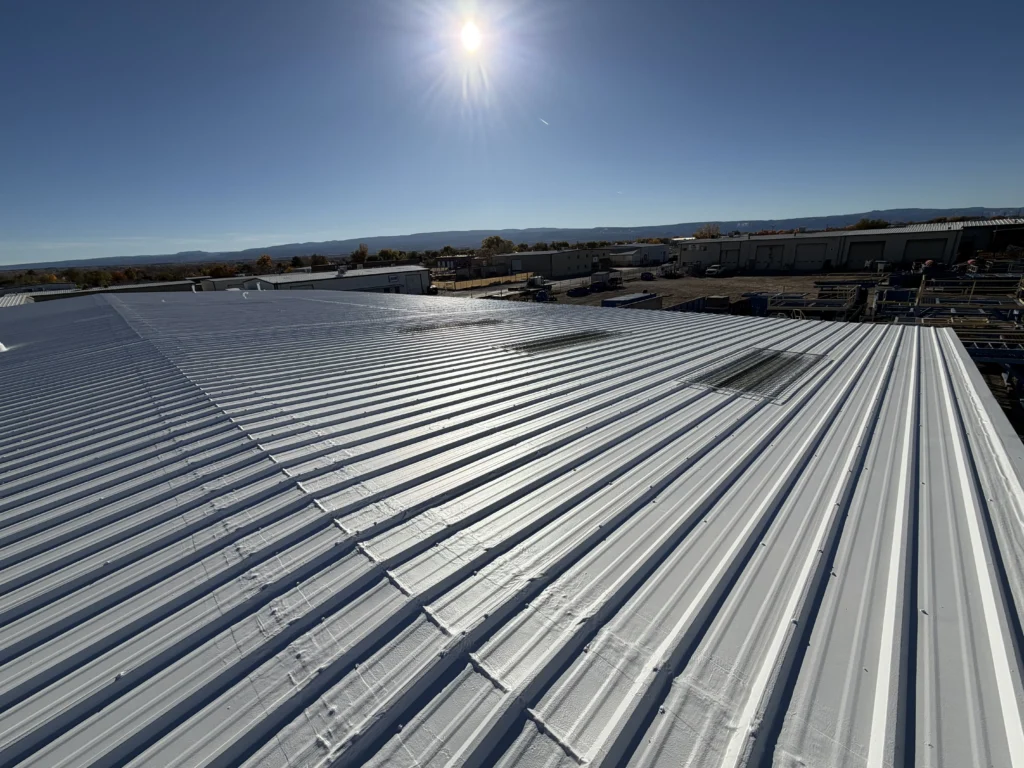
Understanding Low Slope Roofing Needs
Drainage Challenges And Surface Behavior
Water drainage is one of the most important considerations for any low slope system. Even a slight miscalculation in slope design can create standing water. Over time, this leads to stress on seams and membrane layers. We evaluate every structure carefully so that water flow is directed toward proper drainage points. When drainage is ignored, even high quality materials struggle to perform as expected.
Environmental Stress And Structural Exposure
Low slope roofs are exposed to continuous sunlight, temperature swings, and storm conditions. These factors cause expansion and contraction in roofing materials. Over time, this movement can weaken joints if the system is not designed properly. We always consider local weather patterns before suggesting any solution because durability depends heavily on environmental alignment.
Most Reliable Roofing Systems For Low Slope Buildings
TPO Roofing Systems
TPO is widely used because it reflects sunlight and helps reduce heat buildup inside buildings. This makes it a practical option for energy conscious property owners. It also provides strong seam welding performance when installed correctly.
EPDM Roofing Systems
EPDM is a synthetic rubber material that remains flexible in both hot and cold conditions. This flexibility helps it resist cracking and splitting. It is often chosen for buildings that require long term stability with minimal intervention.
PVC Roofing Systems
PVC systems are known for resistance to chemicals, grease, and moisture. This makes it suitable for restaurants, factories, and industrial facilities. The welded seams provide strong protection against water intrusion.
Modified Bitumen Roofing
Modified bitumen combines asphalt layers with reinforced materials to improve strength. It is installed in layers which creates added protection against leaks. This system performs well in areas with fluctuating temperatures.
Built Up Roofing Systems
Built up roofing uses multiple layers of bitumen and reinforcement to create a durable surface. It has been used for decades and remains reliable for many large scale applications.
In many cases, choosing the right system depends on how the building is used and how much foot traffic the roof may experience. Here we often guide clients toward solutions that balance cost and performance rather than focusing on a single option. The decision should always reflect the needs of the structure and its long term goals.
We also spend time helping readers understand that long term roof performance is not only about the system chosen but also about how consistently it is monitored. Many building owners underestimate how small issues can grow when left unchecked. For example minor seam wear or unnoticed debris buildup can create water flow problems that reduce efficiency over time. When we assess a building, we always emphasize prevention as much as installation.
TPO systems continue to evolve with improved reflective surfaces that help buildings manage internal temperatures more efficiently. EPDM remains a strong option when flexibility and resilience are top priorities. PVC systems stand out in environments where chemical exposure is frequent and consistent durability is needed. Modified bitumen adds strength through layered construction while built up roofing continues to provide dependable protection for large structures that require proven methods.
In our experience, property owners often benefit from understanding how each system reacts under real world conditions rather than only comparing specifications. This practical perspective helps avoid mismatched expectations and supports better decision making over time.
Maintenance is not a one time task but an ongoing responsibility that protects investment value and extends system life in meaningful ways.
Installation Considerations That Matter
Proper installation determines how well a roofing system performs over time. Even high quality materials can fail if they are not installed with precision. We focus on surface preparation, insulation alignment, and proper sealing methods to ensure durability.
We also emphasize drainage planning during installation because it directly affects roof lifespan. A well installed system reduces future maintenance costs and prevents unnecessary damage. Working with expert guidance and attention helps ensure that every detail is handled correctly from start to finish.
Maintenance Practices That Extend Roof Life
Maintenance plays a major role in extending the life of any roofing system. Small issues can quickly turn into costly repairs if they are ignored. Regular inspections help identify membrane wear, seam separation, and drainage blockages early.
We recommend property owners take a proactive approach by scheduling routine checks throughout the year. Cleaning debris from drainage points and ensuring surface integrity are simple but effective steps. Consistent care is especially important for a commercial roof because of its size and constant exposure.
Cost Factors And Long Term Value
Roofing costs are influenced by several factors including material type, labor complexity, and building size. While it may be tempting to focus only on upfront pricing, long term value should always be part of the decision making process.
A well planned roofing system reduces repair frequency and improves energy efficiency. This can result in significant savings over time. We always encourage clients to evaluate the full lifecycle cost rather than short term expenses alone.
Choosing The Right Roofing Partner
Selecting the right contractor has a direct impact on project success. Experience, communication, and consistent workmanship are key qualities to look for. At American Dream Roofing, we prioritize reliability in every project we take on.
We believe that roofing work is not only about installation but also about long term trust. Clear communication helps property owners understand what is happening at each stage of the project. This approach leads to better outcomes and fewer surprises during and after installation.
Frequently Asked Questions
What is the best roofing material for low slope commercial buildings?
The best option depends on building usage, weather conditions, and budget. TPO and EPDM are commonly chosen because of their durability and adaptability.
How long does a low slope commercial roof last?
Most systems last between fifteen and thirty years depending on installation quality and maintenance habits.
What causes leaks in low slope roofs?
Leaks often develop due to poor drainage, damaged seams, or aging materials that have not been properly maintained.
How often should a commercial roof be inspected?
We recommend at least two inspections per year along with additional checks after severe weather events.
Can low slope roofs handle heavy rainfall?
Yes when they are properly designed with adequate drainage systems and high quality materials that support water movement.
Reliable Roofing Solutions for Low-Slope Commercial Buildings That Last
→ Durable roofing systems built specifically for low slope commercial performance
→ Professional installation and maintenance that reduce long term repair issues
→ Clear, practical guidance to help you choose the right roofing option with confidence
★★★★★ Rated 5/5 by 10+ Satisfied Customers